

Peripheral Neuropathy Care
Peripheral neuropathy occurs when nerves that connect your brain and body are damaged, causing numbness, tingling, weakness, or balance problems. At AHBA, we identify the cause and provide personalized treatment to reduce symptoms, restore function, and improve your quality of life.
Understanding Peripheral Neuropathy
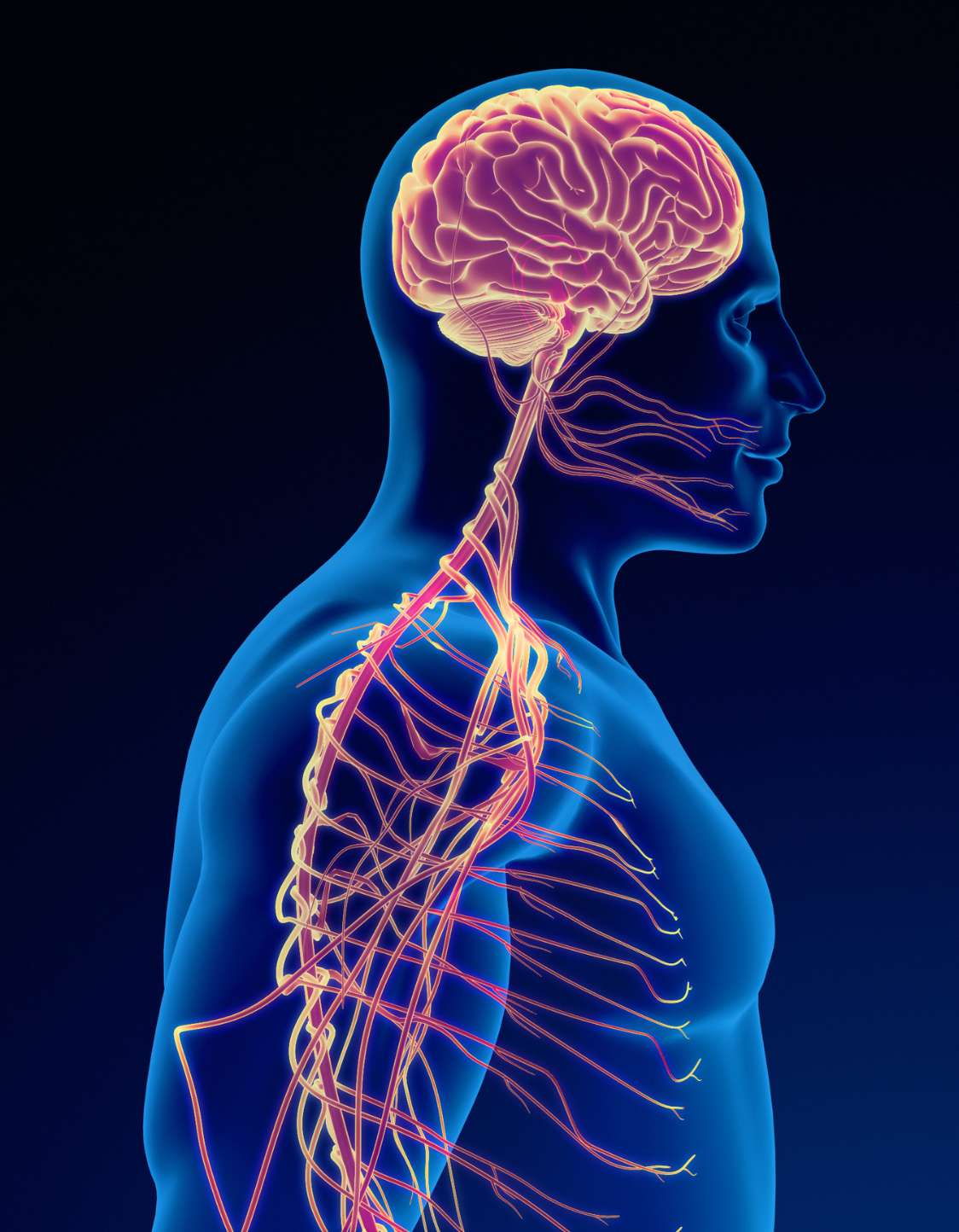
Peripheral neuropathy is a condition that affects the peripheral nerves, which are the nerves outside of your brain and spinal cord. These nerves carry signals that control movement, sensation, and automatic body functions, such as heart rate, digestion, and sweating. When peripheral nerves are damaged, they can disrupt these processes, causing symptoms ranging from numbness and tingling to muscle weakness and balance issues.
Who Is Affected by Peripheral Neuropathy?
Peripheral neuropathy can affect anyone, but it’s more common in older adults and those with diabetes, autoimmune diseases, or vitamin deficiencies. Lifestyle factors like alcohol use, toxin exposure, and poor nutrition can also increase risk. About 2.4% of people worldwide experience neuropathy, rising to 5–7% in adults over 45. Symptoms vary depending on the nerves affected and may include numbness, tingling, burning, weakness, or balance problems. Early detection and treatment are key to preventing complications and maintaining quality of life.
Symptoms and Causes of Peripheral Neuropathy
Recognizing the Symptoms of Peripheral Neuropathy
Peripheral neuropathy can affect motor, sensory, and autonomic nerves. Common signs include muscle weakness, loss of coordination, numbness, tingling, burning sensations, balance issues, and disruptions in automatic body functions like blood pressure, digestion, and bladder control. Symptoms may appear suddenly, gradually, or over years, depending on the underlying cause.
Common Causes of Peripheral Neuropathy
Peripheral neuropathy can result from diabetes, autoimmune conditions, vitamin deficiencies, certain medications, infections like Lyme disease or shingles, trauma, surgery, or inherited disorders such as Charcot-Marie-Tooth disease. Identifying the cause is essential for effective treatment and preventing further nerve damage.
Living with Peripheral Neuropathy
Lifestyle management plays an essential role in reducing symptoms and preventing progression. Key strategies include maintaining a balanced diet rich in essential vitamins, regular exercise, managing chronic conditions like diabetes, avoiding excessive alcohol, and using protective equipment to prevent nerve injuries. Regular follow-ups with your healthcare provider ensure optimal management and adjustment of therapies.
When to Seek Immediate Care
Although peripheral neuropathy is generally not life-threatening, certain symptoms require urgent medical attention. Seek immediate care if you experience sudden weakness or numbness on one side of the body, trouble walking, severe autonomic issues such as significant changes in blood pressure or heart rate, or difficulty breathing or swallowing. Prompt evaluation can help prevent complications and ensure timely treatment.
Outlook and Recovery
The outlook for peripheral neuropathy varies depending on the cause and severity. Some forms can improve or even resolve with treatment, while others may be chronic. Early intervention and consistent management can greatly reduce symptoms, improve function, and enhance quality of life.